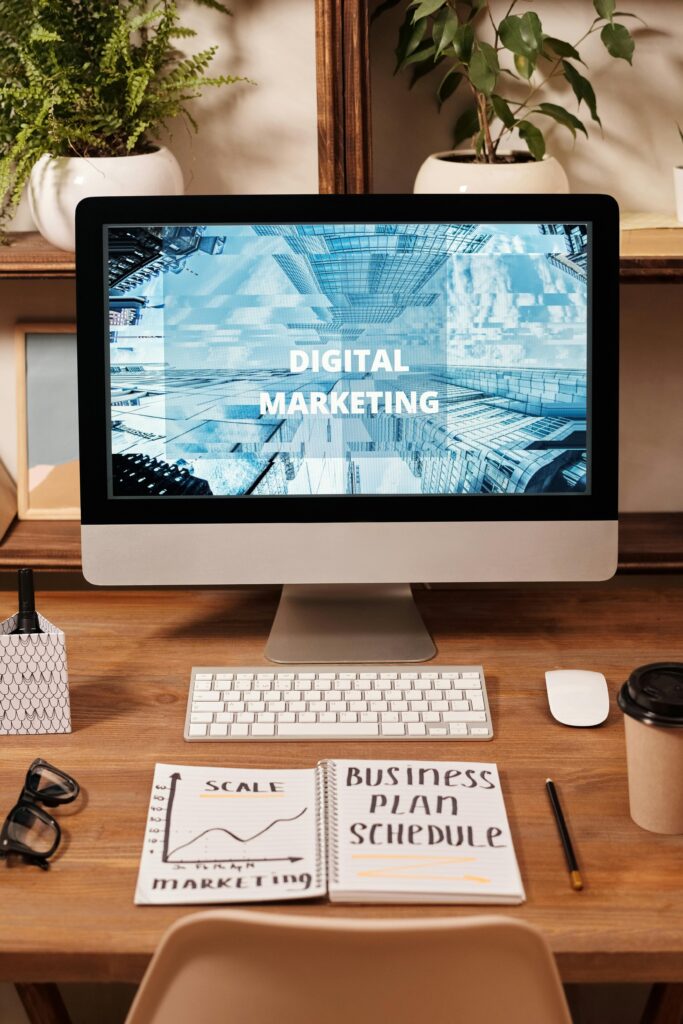
Contemporary office setup featuring digital marketing strategy on a computer screen, ideal for business technology themes.
website

What is a Website and Why It Is Important in 2026

Introduction In my 10+ years of experience in digital marketing, I’ve seen one thing remain constant—understanding what is a website and why it is important is essential, because your website is your digital foundation. Trends change, platforms evolve, algorithms update, but your website continues to be the central hub of your online presence. In 2026, having a website is no longer just about “being online.” It’s about building credibility, controlling your brand, and creating a powerful platform that drives growth. Whether you’re a student from DIDM Batch (3rd to 5th March), a freelancer, or a business owner, understanding what is a website and why it is important is essential in today’s digital-first world. What is a Website? A website is a collection of interconnected web pages hosted on the internet under a single domain name. It serves as a digital space where individuals or businesses can share information, offer services, sell products, or connect with their audience. In simple terms, a website is your online identity. When someone searches for your brand, your website is often the first place they go to learn more about you. Key Components of a Website To understand websites better, let’s break down their main elements: 1. Domain Name This is your website’s address (e.g., www.yourbrand.com). It represents your brand online. 2. Web Hosting This is where your website’s data is stored. Hosting ensures your site is accessible on the internet 24/7. 3. Web Pages These include: Each page serves a specific purpose. 4. Content Content includes text, images, videos, and other media that communicate your message to visitors. 5. Design and User Experience (UX) A well-designed website ensures: Types of Websites In 2026, websites come in various forms depending on their purpose: 1. Business Websites Used to showcase services, build credibility, and generate leads. 2. E-commerce Websites Designed to sell products online. 3. Portfolio Websites Ideal for freelancers and creatives to showcase their work. 4. Blog Websites Used to share knowledge, insights, and content regularly. 5. Landing Pages Focused pages designed for specific campaigns or conversions. How Websites Have Evolved by 2026 Websites today are smarter, faster, and more user-focused than ever before. 1. Mobile-First Design Most users browse on mobile devices, so websites are now designed primarily for smaller screens. 2. AI Integration Websites now use AI for: 3. Voice Search Compatibility Websites are optimized for voice queries and conversational searches. 4. Speed and Performance Users expect websites to load in seconds. Slow websites lose visitors instantly. 5. Interactive Experience Modern websites include: Why a Website is Important in 2026 Now let’s get to the most important part—why does having a website matter so much today? 1. Your Digital Identity Your website is your online home. Unlike social media platforms, where you are dependent on algorithms, your website is fully under your control. It represents: 2. Builds Credibility and Trust In 2026, people expect every serious business to have a website. Without one: A well-designed website builds instant credibility. 3. 24/7 Online Presence Your website works for you even when you’re not active. It allows users to: This makes it a powerful tool for continuous engagement. 4. Central Hub for All Marketing All your marketing efforts lead back to your website. Whether it’s: Your website acts as the destination where conversions happen. 5. Lead Generation and Sales A website is one of the best tools for generating leads and driving sales. You can: With the right strategy, your website becomes a revenue-generating machine. 6. Better Control Over Your Brand Social media platforms can change rules anytime. But your website gives you: This independence is crucial in 2026. 7. Supports SEO and Organic Growth Without a website, SEO is not possible. Your website allows you to: This reduces reliance on paid marketing. 8. Competitive Advantage Your competitors already have websites. If you don’t: A strong website can set you apart in a crowded market. Key Website Trends to Focus on in 2026 To stay relevant, your website must keep up with modern trends. 1. Fast Loading Speed Users expect instant access—speed directly impacts conversions. 2. Mobile Optimization A seamless mobile experience is non-negotiable. 3. Minimal and Clean Design Simple designs improve usability and engagement. 4. Personalization Content tailored to user behavior increases effectiveness. 5. Strong Security HTTPS and data protection are essential for trust. Common Mistakes to Avoid Many people still make basic website mistakes: Avoiding these can significantly improve your website’s performance. Final Thoughts In 2026, a website is not just an option—it’s a necessity. It is your: Whether you’re starting your career in digital marketing or building your own business, having a strong website is one of the smartest investments you can make. For DIDM Batch (3rd to 5th March), understanding how websites work is the first step toward mastering the digital world. Build it right, optimize it well, and keep improving—because your website is the foundation of your online success.
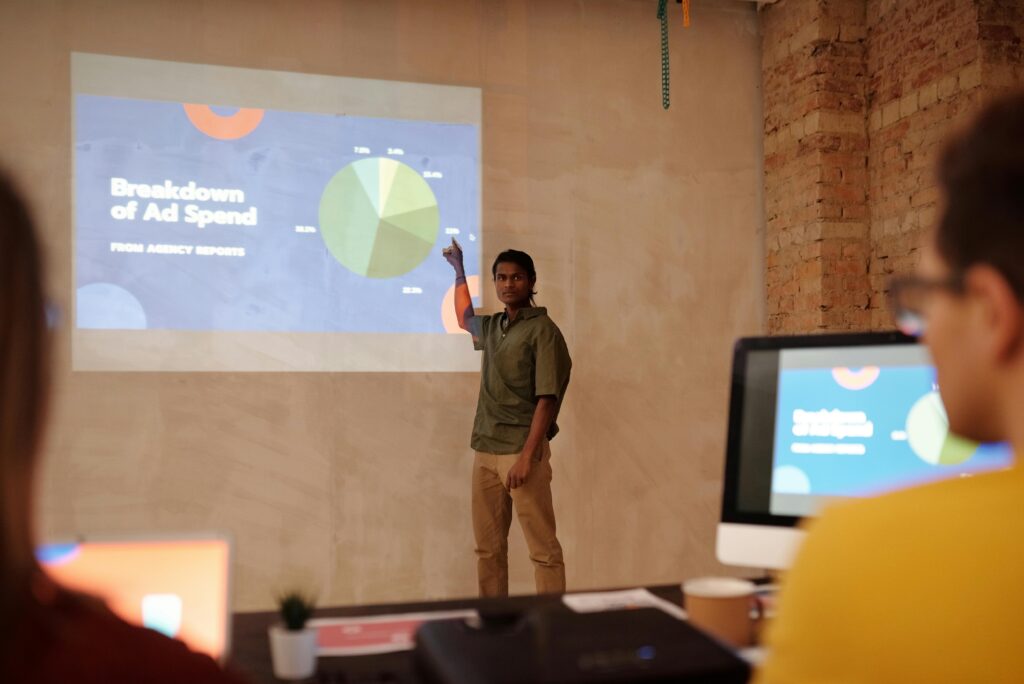
Young man delivering a business presentation on ad spend with charts and graphs in a modern office setting.
ads

What Are Ads and Why They Are Important in 2026

Introduction After spending more than a decade in digital marketing, one thing I can say with absolute certainty is this—understanding what are ads and why they are important is crucial in today’s digital world. Advertising is no longer optional. In 2026, ads are not just about .After spending more than a decade in digital marketing, one thing I can say with absolute certainty is this—advertising is no longer optional. In 2026, ads are not just about promoting products; they are about reaching the right audience at the right time with the right message. Whether you’re a student from DIDM Batch (3rd to 5th March), a business owner, or a budding marketer, understanding how advertising works today is crucial. The digital ecosystem has become highly competitive, and ads are one of the fastest and most effective ways to gain visibility. In this blog, I’ll break down what ads really are in today’s world and why they play a critical role in digital success in 2026. What Are Ads? Ads, short for advertisements, are paid promotional messages designed to inform, attract, and persuade a target audience to take a specific action—such as buying a product, signing up for a service, or visiting a website. In digital marketing, ads appear across various platforms like: Unlike organic marketing, ads provide immediate visibility because you pay to place your content in front of your audience. Types of Ads in Digital Marketing Advertising has evolved significantly over the years. In 2026, there are several types of ads marketers use depending on their goals. 1. Search Engine Ads These ads appear on search engines when users type specific queries. Example:If someone searches for “best digital marketing course,” your ad can appear at the top. These are: 2. Social Media Ads Platforms like Facebook, Instagram, LinkedIn, and others allow businesses to run highly targeted ads. You can target users based on: These ads are perfect for: 3. Display Ads Display ads are banner or image-based ads shown on websites. They are useful for: 4. Video Ads Video content dominates in 2026, and video ads are one of the most engaging formats. They appear on: These ads are powerful because: 5. Native Ads Native ads blend seamlessly with the content of a platform. They don’t feel like traditional ads, which makes them: How Advertising Has Changed by 2026 The advertising landscape today is smarter, faster, and more data-driven than ever before. 1. AI-Driven Advertising Artificial Intelligence now plays a major role in ad campaigns. It helps in: Campaigns are no longer guesswork—they are backed by data and machine learning. 2. Personalization is Key Generic promotions no longer work. In 2026: 3. Privacy and Data Regulations With stricter data privacy laws: Marketers now need to balance personalization with privacy. 4. Multi-Platform Advertising Users are everywhere—mobile, desktop, apps, and smart devices. Successful campaigns now require: Why Ads Are Important in 2026 Now let’s get to the core question—why are ads so important today? 1. Instant Visibility and Results Unlike organic strategies that take time, ads deliver immediate results. The moment your campaign goes live: This makes ads ideal for: 2. Highly Targeted Marketing One of the biggest advantages of digital ads is precision targeting. You can reach: This reduces waste and increases efficiency. 3. Measurable Performance In 2026, everything is data-driven. With ads, you can track: This allows marketers to: 4. Scalable Growth Ads allow you to scale your business quickly. If a campaign is working: This level of control is unmatched. 5. Brand Awareness Even if users don’t convert immediately, ads help in: The more people see your brand, the more familiar it becomes. 6. Supports Business Goals Ads can be tailored to achieve specific objectives: This flexibility makes them a powerful tool for any business. 7. Complements Organic Marketing Ads and organic marketing work best together. While SEO builds long-term growth, ads: Together, they create a balanced strategy. Key Advertising Trends to Focus on in 2026 To stay ahead, marketers need to adapt to the latest trends. 1. Short-Form Video Ads Quick, engaging videos dominate attention spans. 2. Influencer and Creator Ads People trust creators more than brands. 3. AI Automation Automated campaigns improve efficiency and results. 4. Interactive Ads Polls, quizzes, and interactive formats boost engagement. 5. Voice and Visual Search Ads New formats are emerging as user behavior evolves. Common Mistakes to Avoid Even experienced marketers sometimes make these mistakes: Avoiding these can significantly improve your results. Final Thoughts In 2026, advertising is not just about spending money—it’s about investing smartly. Ads give you the power to: But success doesn’t come from running campaigns blindly. It comes from strategy, creativity, and continuous optimization. For students of DIDM Batch (3rd to 5th March), mastering advertising is one of the most valuable skills you can develop in today’s digital world. Learn it, practice it, and stay updated—because in the fast-moving world of digital marketing, ads are one of your strongest growth engines.

Wooden blocks spelling SEO on a laptop keyboard convey digital marketing concepts.
seo

What is SEO and Why It Is Important in 2026

Introduction If you’ve been anywhere near the digital space in the past decade, you’ve probably heard the term SEO thrown around constantly. As someone who has spent 10 years working in digital marketing, I can confidently say that Search Engine Optimization (SEO) is no longer just a marketing tactic—it’s the backbone of online visibility. In 2026, SEO has evolved far beyond keywords and backlinks. With AI-driven search, voice assistants, and user-first algorithms dominating the landscape, understanding SEO is essential for anyone who wants to grow online—whether you’re a student, business owner, or digital marketer. In this blog, I’ll break down what SEO really means today and why it’s more important than ever in 2026. What is SEO? SEO (Search Engine Optimization) is the process of optimizing your website so that it ranks higher on search engines like Google, Bing, and others when users search for relevant queries. In simple terms, SEO helps your website appear in front of the right people at the right time—organically, without paying for ads. Key Components of SEO SEO is broadly divided into three main categories: 1. On-Page SEO This involves optimizing elements on your website, such as: 2. Off-Page SEO This focuses on building your website’s authority through: 3. Technical SEO This ensures your website is technically sound, including: How SEO Has Changed by 2026 SEO in 2026 is very different from what it was even five years ago. Search engines are now smarter, faster, and more focused on user experience than ever before. 1. AI-Powered Search Engines Search engines now use advanced AI models to understand user intent rather than just matching keywords. This means: 2. Voice and Conversational Search With the rise of voice assistants, users now search using full sentences like:“Which is the best digital marketing course near me?” This shift requires content to be: 3. User Experience (UX) is a Ranking Factor Google now heavily prioritizes how users interact with your website: If users don’t like your website, search engines won’t rank it—simple as that. 4. Zero-Click Searches Many users now get answers directly on the search results page. This means: Why SEO is Important in 2026 Now let’s talk about the real question—why does SEO matter so much today? 1. Organic Traffic is Still King Paid ads are expensive and temporary. SEO brings in free, consistent traffic over time. Once your website ranks well: 2. Builds Trust and Credibility Users trust search engines. If your website appears on the first page, people automatically see you as more credible. High rankings signal: In 2026, trust is everything. 3. Long-Term Growth Strategy SEO is not a quick win—it’s a long-term investment. Unlike ads that stop when your budget ends, SEO: 4. Better User Experience Good SEO practices improve your website overall: This not only helps rankings but also improves conversions. 5. Competitive Advantage Your competitors are already investing in SEO. If you’re not: In 2026, having a website without SEO is like opening a shop in the desert. 6. Local SEO is Booming Searches like “near me” have exploded. If you optimize for local SEO: This is especially important for small businesses and startups. 7. SEO Supports All Digital Marketing Channels SEO doesn’t work alone—it enhances everything: When your content ranks, it amplifies your entire marketing strategy. Key SEO Trends to Focus on in 2026 To succeed in SEO today, you need to stay ahead of the trends. 1. Search Intent Optimization Focus on what users actually want, not just keywords. 2. High-Quality Content Content must be: Thin content no longer works. 3. Mobile-First Approach Most users are on mobile, so your website must be fully optimized. 4. E-E-A-T (Experience, Expertise, Authority, Trust) Search engines now evaluate: 5. Video and Visual SEO Videos and images are becoming essential for ranking and engagement. Common SEO Mistakes to Avoid Even in 2026, many people make basic mistakes: SEO requires patience, consistency, and strategy. Final Thoughts SEO in 2026 is no longer just about ranking—it’s about delivering value, building trust, and creating meaningful user experiences. If you want to succeed online, SEO is not optional—it’s essential. Whether you’re a student learning digital marketing, a business owner trying to grow, or a marketer looking to scale results, mastering SEO will give you a powerful advantage in the digital world. Start early, stay consistent, and focus on helping users—that’s the real secret to winning with SEO in 2026.

Scroll to Top